Things to Do in Bissau in December
December weather, activities, events & insider tips
Low Season · Budget Friendly
December Weather in Bissau
Long-run averages for December
90°F (32°C)
High Temp
66°F (19°C)
Low Temp
0.0 inches (0 mm)
Rainfall
49%
Humidity
8
Sunny-Day UV
⚠ The Harmarman wind sweeps Saharan dust across Guinea-Bissau every December. Air quality tanks. Visibility drops. Travelers with asthma need inhalers ready. Dust masks help outdoors. On heavy days, haze cuts visibility to a few kilometers. Eyes sting. Throat burns. Even healthy travelers feel it in their nasal passages. Pack eye drops. Bring tissues. The dry season here is no joke.
⚠ Malaria persists in December. The dry season does not stop it. Mosquitoes linger near the Geba River. They breed in Bissau's open drainage channels. Take prophylaxis. Apply DEET repellent from late afternoon. Medical facilities in Bissau are extremely limited. Prevention matters. Do not skip it. The risk is real.
Making the most of December in Bissau? Browse tours and activities in Bissau on GetYourGuide.
Is December Right for You?
Weigh the advantages and considerations before booking
Advantages
- + December sits dead center in Bissau's dry season. Zero measurable rainfall. Humidity plummets to 49 percent after months of monsoon saturation. Roads that were rutted mud channels in August and September firm into passable laterite. The Bijagos Archipelago opens for reliable boat crossings. This is as close to a guarantee of dry days as West Africa offers.
- + Nighttime temperatures drop to 19°C (66°F). It feels cool after months where the thermometer never fell below 23°C (73°F). Mornings along the Geba River carry a slight chill that burns off by nine. The midday heat, still formidable at 32°C (90°F), lacks the suffocating moisture of the wet season. Sleeping without air conditioning becomes possible. That matters in a city where power cuts happen nightly.
- + December is when Guinea-Bissau's capital loosens up for the holidays. Catholic and Creole Christmas traditions run deep here. The weeks before the 25th bring a palpable shift around Praça dos Heróis Nacionais. Families gather. Palm wine circulates. Grilled fish smoke drifts from improvised charcoal setups along the waterfront. The atmosphere turns communal. The rest of the year, with its political tensions and economic grind, does not always sustain this.
- + Tourist infrastructure in Bissau is minimal. December's dry conditions make what exists functional. Unpaved airport access roads are navigable. Pirogue boats to the Bijagos run on something approaching a schedule. The handful of guesthouses tend to have water pressure. You remain one of very few foreign visitors in the entire country. Every interaction carries directness and curiosity. Mass-tourism destinations lost this decades ago.
Considerations
- − The Harmattan wind arrives in December. It pushes fine Saharan dust south across Guinea-Bissau. In Bissau, this means a persistent ochre haze. It softens the horizon and coats every surface with grit. Your throat dries out. Your camera lens needs constant cleaning. Sunsets that should be spectacular smother into a flat bronze wash. Contacts wearers will struggle. Bring glasses and saline drops.
- − Bissau's electrical grid is unreliable every month. December's holiday demand seems to worsen it. Expect multiple outages daily. Some last hours. Generators cover a few hotels and restaurants. Most of the city simply goes dark. Charging electronics requires planning. Anything that depends on consistent refrigeration is a gamble. The tap water situation is similarly precarious. You are living on bottled water from arrival to departure.
- − December is not cheap by Guinea-Bissau standards. Limited accommodation in Bissau fills with returning diaspora families and NGO workers on holiday schedules. Availability tightens noticeably in the second half of the month. Flight connections through Dakar or Lisbon are at their priciest. The few operators running Bijagos trips charge dry-season premiums.
Settled on December? Compare hotel prices in Bissau for your dates on Trip.com.
Best Activities in December
Top things to do during your visit
Bijagos Archipelago Island Excursions
December's flat seas and zero rainfall make this the prime window for reaching the Bijagos. This UNESCO Biosphere Reserve spans 88 islands scattered across the mouth of the Geba River. The crossing from Bissau to Bubaque Island, the main hub, takes roughly three to four hours by motorized pirogue. In December the water is calm enough that you arrive dry. Once there, the islands operate on a rhythm barely changed in centuries. Bijago communities maintain animist traditions. December's dry ground means ceremonial gatherings happen in open clearings. You can hear drumming carry across mangrove channels at dusk. Saltwater hippos, found nowhere else, haunt the tidal flats of Orango National Park. Low water levels in December concentrate them into observable zones along the shoreline. The air smells of salt, dried fish, and woodsmoke. The sand on ocean-facing beaches is fine enough to squeak underfoot.
Booking Tip: Book at least three weeks ahead. Use Bissau-based operators who own their own boats. Licensed operators will confirm fuel availability before committing to a departure date. This is the single most important logistics question in Guinea-Bissau. Multi-day trips with overnight stays on Bubaque or Orango are worth the extra cost. Day trips are not. See current options in the booking section below.
Bissau Velho Colonial Quarter Walking Tours
The old Portuguese colonial quarter of Bissau sits on the waterfront promontory where the city began. December's dry footing and lower humidity make it bearable to spend two or three hours walking its crumbling grid of streets. The Fortaleza de São José da Amura, the colonial fortress overlooking the Geba, still stands. Its thick laterite walls radiate stored heat well into the evening. The quarter is not restored. Paint peels in long strips from facades unmaintained since independence in 1974. Kapok trees have punched through some rooftops entirely. That rawness is the point. The Presidential Palace, pockmarked from the 1998 civil war, sits here too. It bears scars. Bissau's history is not distant. Morning light hits the waterfront around seven. It turns the Geba's brown water copper. The fish market at Pidjiguiti starts its daily chaos. Catch is hauled up the embankment. The smell of brine and engine oil mixes with shouts in Kriol.
Booking Tip: Local guides who know the colonial history and can translate Kriol operate informally. Arrange through your accommodation at least a day ahead. Early morning starts, ideally by 7:30, beat the midday heat. Shadeless streets become punishing by noon. Check the booking section below for any organized walking tour options.
Geba River Estuary Birdwatching
December's dry conditions concentrate birdlife along the remaining water sources, and the Geba River estuary becomes one of West Africa's quieter but rewarding birding spots. Mangrove channels accessible by small boat harbor species that migrate south to escape the European winter, and the mudflats exposed by low tides draw waders in numbers that birders accustomed to northern latitudes find startling. Palm-nut vultures perch conspicuously in the borassus palms lining the riverbank, and malachite kingfishers flash electric blue against the brown water. The heat shimmer off the mudflats by midday distorts any optics, so the productive hours are dawn to about 10 AM and then again after 4 PM, when the light drops to a warm amber and the egrets begin their evening movements. The sound at dusk is layered. Weaver birds chatter from their hanging nests while fish eagles call from somewhere upstream. You will sweat through your shirt by 9 AM regardless. Dress for function, not dignity.
Booking Tip: Boat-based birding trips along the Geba need to be arranged locally, typically through guesthouses or community tourism contacts in Bissau. Bring your own binoculars and field guide, as neither is available for purchase in the city. Book two to three days ahead to allow time for boat and fuel coordination. See the booking section for any available guided nature experiences.
Bandim Market Cultural Immersion
Bandim Market is Bissau's central market and the largest in Guinea-Bissau, a large, noisy, pungent labyrinth that is the commercial heart of the capital. December brings a pre-Christmas increase in activity. Stalls selling wax-print fabrics in eye-saturating geometries sit alongside women roasting cashew nuts over charcoal, the sweet-acrid smoke hanging in the Harmattan haze. The fish section is an assault on every sense: still-twitching barracuda laid out on concrete slabs, the metallic tang of blood mixing with salt air, flies buzzing in a constant drone. Deeper in, tailors work foot-pedal Singer machines under corrugated tin roofs that amplify the heat to sauna levels. This is not a sanitized market experience. The ground is uneven, the passages narrow, and your personal space does not exist. December's lower humidity, compared to the wet season's suffocating steam, makes the three or four hours you need to properly explore it physically manageable. Go before 9 AM for produce and fish at their freshest, when the light angles through the tin gaps and catches the dust motes spinning in the air.
Booking Tip: No booking needed. Go with a local contact if possible, not for safety but for navigation and negotiation. Carry small denominations of West African CFA francs, as change is perpetually scarce. Leave valuables at your accommodation and carry cash in a front pocket. The market operates daily but is fullest on Saturday mornings.
Cashew Country Day Trips
Guinea-Bissau is one of the world's largest cashew producers, and while the main harvest season runs from March through June, December has a different angle on this industry that defines the national economy. The cashew orchards outside Bissau, reachable by a two-hour drive east toward Bafatá along increasingly rough laterite roads, stand leafless and skeletal in the dry season, their grey-barked forms casting sharp shadows in the low-angle December sun. Village cooperatives process and store the previous season's harvest, and visiting during the dry months means you can see the full post-harvest operation: women sorting, roasting, and hand-cracking shells with an efficiency that factory lines cannot match, the sharp crack of each shell punctuating conversation. The roasted cashews, still warm, have a richness and sweetness that bear no resemblance to the stale supermarket versions sold elsewhere. The drive itself passes through savanna woodland where baobabs stand like inverted trees against the dusty sky, and the roadside settlements offer grilled chicken and attieke, the fermented cassava couscous that is the region's staple, served on banana leaves.
Booking Tip: Arrange a driver and vehicle through your accommodation at least two days ahead. Roads outside Bissau range from rough to impassable depending on recent maintenance, so a driver who knows current conditions is essential. Carry extra water, as stops with bottled water are sparse beyond the city limits. A full day trip is realistic. Overnight options exist in Bafatá but are basic.
Where to Stay in Bissau in December
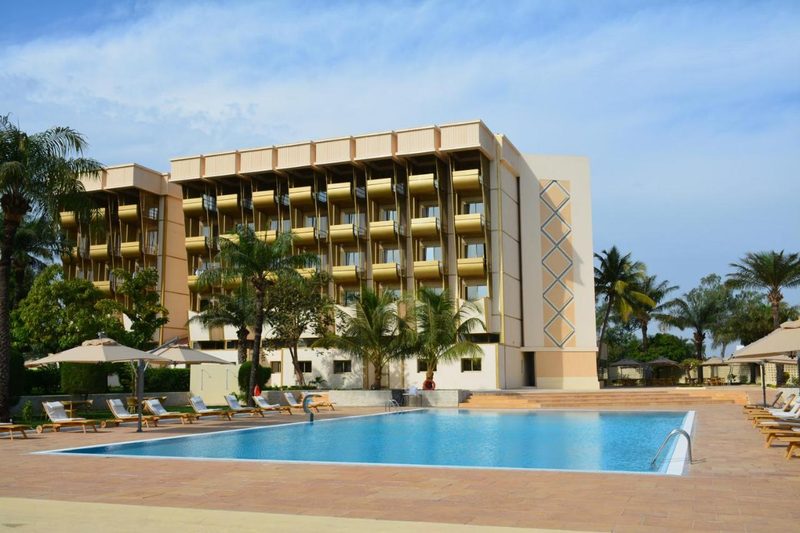
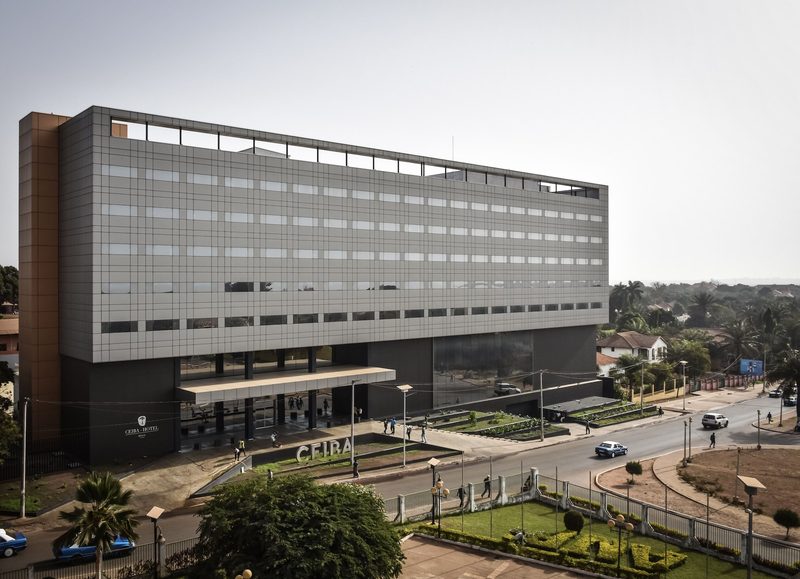
Hand-picked hotels across price tiers for December travellers.
Public Holidays in December
Dates that affect opening hours, transport and crowds
Christmas Eve
Observed nationwide as a public holiday.
Christmas Day
Observed nationwide as a public holiday.
New Year's Eve
Known in English as New Year's Evey. Observed nationwide as a public holiday.
Christmas Eve
Observed nationwide as a public holiday.
Christmas Day
Observed nationwide as a public holiday.
New Year's Eve
Known in English as New Year's Evey. Observed nationwide as a public holiday.
Christmas Eve
Observed nationwide as a public holiday.
Christmas Day
Observed nationwide as a public holiday.
New Year's Eve
Known in English as New Year's Evey. Observed nationwide as a public holiday.
Packing Checklist
Bookmark this page — your progress is saved between visits
Need the full list with shopping links?
Climate-specific gear, brand recommendations, and what to leave at home.
View Bissau Packing List →Essential Tips
Insider knowledge and common pitfalls to avoid
Insider Knowledge
Kriol, not Portuguese, is the language of daily life in Bissau. Learn even a handful of Kriol greetings. 'Kuma di kurpu' means 'how are you.' 'N sta bon' means 'I'm fine.' These phrases change interactions immediately. Most Bissau residents speak limited French or English. Portuguese, while official, is used primarily in government and formal education. A Kriol phrasebook or a morning spent with a willing local will do more for your trip than any guidebook. Start with the basics. Build from there.
The West African CFA franc is the currency. Bissau is almost entirely cash-based. There are a small number of ATMs in the capital. But they run out of cash unpredictably and none accept all international card networks. Bring euros or US dollars in clean, recent bills. Exchange at the central market for significantly better rates than the airport or formal exchange offices. Never flash large bills in the open. Keep your cash hidden. Split it between locations.
Electricity in Bissau follows no published schedule. Locals have learned to read the patterns. Ask your guesthouse staff when they expect the next outage cycle. Most cooking, commerce, and socializing happens during daylight hours for this reason. The city's rhythm adjusts accordingly. Restaurants that run generators advertise the fact with their lights. Those lit corners become the default gathering points after dark. Follow the light.
December's Harmattan haze looks dramatic in photographs. It plays havoc with autofocus and white balance. Shoot in manual mode. Underexpose by a half-stop to preserve the dusty atmosphere rather than fighting it. Clean your lens with a microfiber cloth every thirty minutes. The golden hour light, filtered through Saharan particulate, produces a quality of illumination that photographers travel thousands of kilometers to capture in other parts of West Africa. Work with the haze. Do not against it.
Avoid These Mistakes
Do not assume you can arrange onward travel to the Bijagos Islands on arrival. Boat departures depend on fuel availability, tide schedules, and captain willingness. None of these respond to tourist urgency. Travelers who show up at the waterfront expecting a same-day departure to Bubaque often wait two or three days. Arrange boat transport before you arrive in Bissau, ideally through a confirmed operator with their own fuel supply. Book ahead. Always book ahead.
Avoid packing for the heat alone. Do not be caught off guard by the cool December nights. The 13°C (23°F) swing between daytime highs and nighttime lows surprises first-timers. Bissau's guesthouses rarely provide heavy blankets. A fleece or light jacket for evenings is not optional. It is necessary, if you are eating outdoors along the waterfront after sunset. Pack the layer. You will wear it.
Never drink tap water or eat raw salad at restaurants. Waterborne illness is the single most common health issue for visitors to Guinea-Bissau. Even well-intentioned establishments may wash produce in unfiltered water. Stick to bottled water with intact seals, cooked food served hot, and fruit you peel yourself. This sounds obvious until you are dehydrated from the Harmattan and tempted by the first cold glass someone hands you. Resist the temptation. Stay healthy.
Short on time? See day trips around Bissau on GetYourGuide.
Ready to plan your trip to Bissau?
Now that you've got the research covered, here's where to go next.
Explore More Activities in Bissau