Things to Do in Bissau in September
September weather, activities, events & insider tips
Low Season · Budget Friendly
September Weather in Bissau
Long-run averages for September
88°F (31°C)
High Temp
73°F (23°C)
Low Temp
14.3 inches (363 mm)
Rainfall
88%
Humidity
12
Sunny-Day UV
⚠ Heavy rainfall of 14.3 inches (363 mm) regularly floods unpaved streets and low-lying neighborhoods in Bissau. Standing water persists for hours after storms and creates breeding grounds for mosquitoes. Avoid walking through floodwater where possible, as it may conceal open drains and debris.
⚠ Malaria transmission peaks in September due to standing water and 88% humidity. Prophylaxis, treated bed nets, and DEET-based repellent are essential. Medical facilities in Bissau are extremely limited and may lack supplies for treating severe cases.
⚠ Rough seas and sudden squalls make boat crossings to the Bijagós Archipelago unpredictable and occasionally dangerous in September. Departures cancel without notice, and vessels are often basic wooden pirogues without safety equipment. Assess conditions carefully before any water travel.
⚠ Laterite roads outside Bissau become impassable after heavy rains. Overland travel to regional towns may require high-clearance four-wheel-drive vehicles and is sometimes not possible at all for days at a stretch.
Making the most of September in Bissau? Browse tours and activities in Bissau on GetYourGuide.
Is September Right for You?
Weigh the advantages and considerations before booking
Advantages
- + Guinea-Bissau's Independence Day on September 24 fills Bissau with parades, live gumbe music, and civic energy you will not find at any other time of year. This gives travelers an unfiltered window into the country's identity and pride. Worth it.
- + September sits at the tail end of the heaviest rains, with rainfall already dropping from August's 18.4 inches (467 mm) peak. The landscape around Bissau is at its most intensely green. The mangrove estuaries are full and alive with birdlife. The laterite roads outside the capital glow rust-orange against all that vegetation.
- + Visitor numbers are as close to zero as they get. Bissau's limited guesthouses and restaurants operate at a fraction of capacity. You will likely have genuine conversations with owners and staff rather than transactional exchanges. Negotiating better room rates becomes straightforward. Skip the crowds.
- + The cashew trees that define Guinea-Bissau's economy and landscape have dropped their fruit months ago. The fermented cashew wine, caju, is at its most available in September as stockpiles from the harvest season are still plentiful. The sharp, slightly sour tang of fresh caju is one of West Africa's most distinctive drinks. September is the easiest month to find it poured from plastic jugs at roadside stalls and in Bandim Market.
Considerations
- − September delivers 14.3 inches (363 mm) of rain across the month, and when it falls, it falls hard. Downpours can turn unpaved streets in neighborhoods like Bairro Militar and Antula into ankle-deep channels of red mud within twenty minutes. The drainage infrastructure across Bissau is minimal. Walking anywhere after a heavy afternoon storm requires either rubber sandals you do not mind ruining or a willingness to wade. Pack rain gear.
- − Malaria transmission peaks during the wet months, and September's standing water and 88% humidity create ideal conditions for mosquitoes. You will hear them at dusk, a thin whine near your ears that becomes the ambient sound of every evening. Prophylaxis, treated nets, and long sleeves after sundown are not optional here. They are the difference between a trip and a medical emergency.
- − Infrastructure that is already fragile becomes unreliable. Power outages are a regular feature of life in Bissau year-round, but the rains stress generators and transformers further. Expect stretches without electricity, intermittent mobile data, and roads outside the capital that may be impassable without a high-clearance vehicle. Plan accordingly.
Settled on September? Compare hotel prices in Bissau for your dates on Trip.com.
Best Activities in September
Top things to do during your visit
Colonial Quarter and Fortaleza d'Amura Walking Route
Bissau's old Portuguese administrative quarter, centered on Praça dos Heróis Nacionais, is best explored on foot in the early morning before the heat and humidity build past comfortable. The crumbling pastel facades of buildings that once housed the colonial administration line wide avenues now cracked by tree roots and decades of rain. Fortaleza d'Amura, the stone fortress overlooking the Geba River estuary, dates to the eighteenth century and sits at the heart of the old town. In September, the grounds are overgrown in a way that feels less neglected and more reclaimed, thick green vines threading through the stonework, the air smelling of wet laterite and flowering frangipani. The humidity at 88% means you will be damp within ten minutes of walking, so start by 7 AM when the air is still relatively cool at around 23°C (73°F) and the light is soft enough to photograph the peeling walls and rusted ironwork without squinting. By 10 AM the heat will push you indoors.
Booking Tip: No formal booking is needed for walking the colonial quarter. If you want a local guide who can explain the political history embedded in every building, arrange one through your guesthouse at least two days ahead. Guides who speak English are rare; Portuguese or Kriol speakers are the norm. See current guided options in the booking section below.
Bandim Market Immersion
Bandim Market is Bissau's commercial heart, a large, covered-and-uncovered maze that has operated for decades as the place where the city feeds itself, clothes itself, and conducts half its social life. In September, the market takes on a particular character. The rain drives vendors under corrugated metal roofing that amplifies every downpour into a roar, and the narrow aisles between stalls fill with the smell of smoked fish, palm oil warming in blackened pots, and the sharp citrus bite of limes stacked in neat pyramids. The produce section overflows with mangoes, papayas, and the small, fiercely hot peppers that define Guinea-Bissauan cooking. Go between 8 AM and 11 AM when the market is fully stocked but the worst heat has not yet settled in. The ground will be muddy. Wear shoes you can rinse off. The textile section deeper inside the market stays drier and is worth finding for the patterned panos cloth that women throughout the country wear wrapped at the waist.
Booking Tip: Bandim Market requires no ticket or booking. For a food-focused walk through the market with someone who can explain the ingredients and their uses, ask your accommodation to connect you with a local guide at least a day in advance. See current food and cultural tour options in the booking section below.
Geba River Estuary and Mangrove Exploration
The Geba River widens into a broad, tea-colored estuary as it passes Bissau. In September, fed by months of rain, the mangrove forests lining its banks are dense and teeming. Herons, egrets, and kingfishers work the shallows. The tidal flats exposed at low water attract shorebirds migrating south along the East Atlantic Flyway. Hire a pirogue, the long wooden canoe that fishermen use throughout the coast. This gets you into the mangrove channels where the canopy closes overhead and the water goes still and dark. The smell is tidal, organic, a mix of salt and decomposing vegetation. It is not unpleasant once you stop expecting it to smell like a beach. September's high water levels mean the pirogues can penetrate deeper into the channel network than they can during the dry months. The risk is weather. A squall on the open estuary in a low-sided wooden boat is uncomfortable. Depart early in the morning when skies tend to be clearer. Return before the afternoon storms typically build.
Booking Tip: Arrange pirogue trips through your guesthouse. You can also walk to the waterfront near the port and negotiate directly with boatmen. There are no formal operators in the Western sense. This is arranged person to person. Allow a full morning. Life jackets are not standard equipment. Bring an inflatable one if this concerns you. Check booking section below for any organized estuary excursions.
Live Gumbe Music Evenings
Gumbe is Guinea-Bissau's signature sound. It is a polyrhythmic pulse built on gourd percussion, call-and-response vocals, and guitar lines borrowed from both Portuguese fado and Cape Verdean morna. These influences turn into something entirely its own. In Bissau, live gumbe shows happen in open-air bars and cultural spaces, on weekends. September's Independence Day celebrations on the 24th reliably bring extra performances as musicians gather in the capital. The experience is sensory in every direction. You feel the thud of the calabash drum in your chest. You smell grilled chicken and onions from the food sellers who set up outside every venue. The night air at 23°C (73°F) stays sticky and warm. It never quite cools down. Shows rarely start before 10 PM. They often run past 2 AM. The crowd is overwhelmingly local. The drinks are cashew wine and locally brewed beer. The dancing is unselfconscious. It invites participation without demanding it.
Booking Tip: There are no advance tickets for most gumbe nights. Ask locally on the day for what is happening that evening. Your guesthouse staff will know. Around Independence Day week, the Praça dos Heróis area and the national stadium host larger public concerts. These are free to attend. See the booking section below for any cultural experience packages.
Day Trip to the Bijagós Archipelago
The Bijagós Islands, a UNESCO Biosphere Reserve scattered across the Atlantic off Guinea-Bissau's coast, are the country's single most compelling destination. Bissau is the departure point. September is on the edge of feasibility for boat crossings. The seas are rougher than during the dry season. Some island lodges close entirely during the rains. For travelers willing to tolerate a bumpy, spray-soaked crossing of two to four hours depending on the island, September rewards with empty beaches. Nesting sea turtles appear on the southern islands. Villages where the animist Bijagó culture remains largely intact welcome visitors. The islands smell of salt, woodsmoke, and the coconut oil that islanders use for everything from cooking to skincare. Bubaque, the most accessible island, has basic accommodation. Life there follows tides and weather. This is not a beach resort trip. It is an expedition into one of West Africa's least-visited ecosystems.
Booking Tip: Book island transport at least a week ahead through your Bissau accommodation or a local travel coordinator. Public boats to Bubaque depart irregularly from the port in Bissau. They are weather-dependent. Confirm departure the morning of travel. Bring all supplies you might need. This includes medications, cash, and drinking water. Island shops stock very little. See the booking section below for organized archipelago excursions.
Pidjiguiti Waterfront and National Museum Visit
The Pidjiguiti dock workers' memorial on Bissau's waterfront marks the spot where Portuguese colonial forces killed striking dockworkers on August 3, 1959. This event catalyzed the independence movement. Visiting in September, weeks before Independence Day, adds weight to what might otherwise be a modest concrete monument. The waterfront itself offers views across the Geba estuary. It catches whatever breeze is moving. In September's saturated air, this feels like a small mercy. The Museu Nacional, a short walk inland, houses a collection that includes Bijagó ceremonial masks, independence-era photographs, and artifacts from the liberation war led by Amilcar Cabral. The museum is small enough to see in an hour. It is dense enough to reshape your understanding of the country. The interior stays cooler than the street. This makes it a practical refuge during the hottest part of the day when the temperature sits near 31°C (88°F) and the humidity makes outdoor movement feel like pushing through warm cloth.
Booking Tip: No advance booking needed. The museum keeps irregular hours. Go mid-morning on a weekday for the best chance of finding it open. Entry is budget-friendly. A local guide who can narrate the independence history adds substantial value. See booking section below for cultural tour options.
Where to Stay in Bissau in September
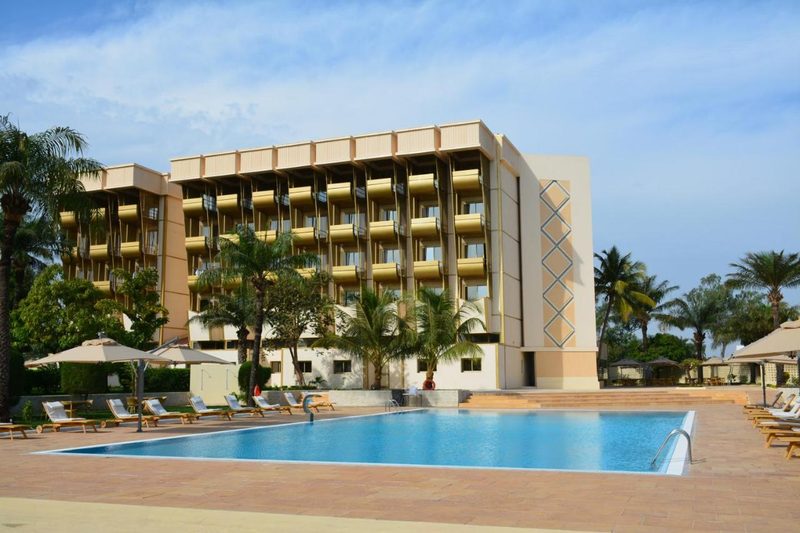
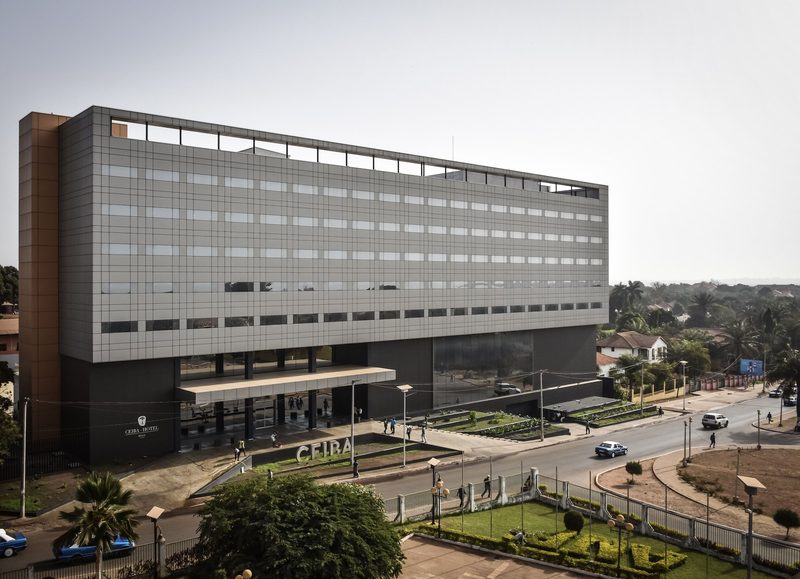
Hand-picked hotels across price tiers for September travellers.
Public Holidays in September
Dates that affect opening hours, transport and crowds
Independence Day
Observed nationwide as a public holiday.
Independence Day
Observed nationwide as a public holiday.
Packing Checklist
Bookmark this page — your progress is saved between visits
Need the full list with shopping links?
Climate-specific gear, brand recommendations, and what to leave at home.
View Bissau Packing List →Essential Tips
Insider knowledge and common pitfalls to avoid
Insider Knowledge
Bissau operates on a rhythm that has nothing to do with published opening hours. The Museu Nacional might close at noon on a Wednesday for no stated reason and stay open until 7 PM on a Saturday because the guard felt like it. Government offices, shops, banks: all of them drift. Adjust your expectations on the first day and you will stop being frustrated by the second. Ask your guesthouse each morning what is likely to be open rather than relying on any printed schedule.
Kriol, not Portuguese, is the language of daily life in Bissau. While Portuguese is official and understood, switching even a few phrases into Kriol, the creole spoken across the country, changes your interactions entirely. 'Kuma ku bu sta' (how are you) and 'obrigadu' (thank you, borrowed from Portuguese but pronounced differently) open doors that formal Portuguese does not. People notice, and they warm to it.
The best food in Bissau is not in restaurants. It is in the market stalls around Bandim and in the small cook-shops in residential neighborhoods where women prepare one or two dishes each day over charcoal. Look for caldo de mancarra, a thick groundnut stew with fish or chicken, served over rice with enough chili heat to make you sweat even harder in the September air. The sourness of palm wine cuts through the richness. Ask your guesthouse staff where they eat, not where they send tourists.
September's rains make roads outside Bissau dangerous. The highway south toward the Bijagós embarkation points turns to mud in sections, and even the main road to Bafatá can become impassable after a heavy storm. If you are planning any travel outside the capital, confirm road conditions the morning of departure and allow triple the time any map application suggests. A journey that takes two hours in the dry season can take six or not happen at all.
Avoid These Mistakes
Arriving without antimalarials or assuming you can buy them locally. Pharmacy stock in Bissau is unreliable, and September is the worst possible month to gamble on mosquito avoidance alone. Begin your prophylaxis before you leave home. This is the single most important preparation for a September visit.
Planning a tight itinerary with fixed daily activities. Bissau in the rainy season does not cooperate with schedules. Storms reshape your afternoon, a boat cancels because of swells, the museum is closed, the road is flooded. The travelers who enjoy Bissau in September are the ones who carry a book, sit under a corrugated roof watching the rain hammer the street, and treat the unplanned hours as part of the experience rather than a failure of logistics.
Expecting Western-standard tourist infrastructure. There are no hop-on hop-off buses, no well-marked walking trails, no multilingual information desks. Bissau is not set up for tourism in any conventional sense, and September amplifies every gap. This is the reality, not a complaint. Travelers who need reliable Wi-Fi, consistent hot water, and English-speaking staff at every turn will find September in Bissau difficult. Travelers who are comfortable improvising will find it rewarding in ways that more polished destinations cannot offer.
Short on time? See day trips around Bissau on GetYourGuide.
Ready to plan your trip to Bissau?
Now that you've got the research covered, here's where to go next.
Explore More Activities in Bissau