Things to Do in Bissau in January
January weather, activities, events & insider tips
Low Season · Budget Friendly
January Weather in Bissau
Long-run averages for January
90°F (32°C)
High Temp
64°F (18°C)
Low Temp
0.0 inches (0 mm)
Rainfall
39%
Humidity
8
Sunny-Day UV
⚠ The harmattan wind blows south from January through January. It carries Saharan dust into Bissau. Visibility drops on heavier days. Respiratory systems suffer. Travelers with asthma need medication. Bring a face covering. The dust damages cameras. It damages electronics too. Protect your gear.
⚠ Days hit 32°C (90°F). Nights drop to 18°C (64°F). That is a 14°C (25°F) swing. Visitors underestimate this. The dry air accelerates cooling after sunset. Pack lightweight evening layers. Essential on boats. Essential on exposed waterfront. Do not skip this.
⚠ Malaria transmits year-round here. The drier months included. Take prophylaxis before departure. Use DEET-based repellent. Sleep under treated nets. These are non-negotiable. Medical facilities in Bissau are extremely limited. Serious illness means evacuation. Dakar is the standard destination. Plan accordingly.
Making the most of January in Bissau? Browse tours and activities in Bissau on GetYourGuide.
Is January Right for You?
Weigh the advantages and considerations before booking
Advantages
- + January sits dead center in Bissau's dry season. Zero rainfall. Humidity drops to 39%. Skies stay clear from dawn through dusk. The Geba River estuary catches afternoon light in ways the wet months simply cannot match. Roads that dissolve into impassable mud channels by July remain firm enough for overland travel to Cacheu, Bafatá, and the Bijagós launch points.
- + The harmattan drags evening temperatures down to around 18°C (64°F). Sleeping without air conditioning becomes not just possible but comfortable. After months of equatorial heat and monsoon moisture, January nights in Bissau carry a dry, almost savannah-cool edge that locals anticipate with real enthusiasm. Walking the city after sundown shifts from punishing to pleasant.
- + January marks the driest window for reaching the Bijagós Archipelago by pirogue or motorized launch. The Atlantic swells that batter crossings from June through October have settled. Channels between islands become navigable for smaller boats. If the archipelago sits on your itinerary, and it should, this is the month when logistics finally cooperate.
- + Tourist infrastructure in Bissau stays minimal year-round. January draws even fewer visitors than the modest trickle arriving in November and December. You will likely stand as the only foreigner at Bandim Market on any given morning. Guesthouses that occasionally fill during diplomatic conferences or NGO rotations tend to have availability without advance booking.
Considerations
- − The harmattan wind hauls fine Saharan dust south into Bissau throughout January. On heavier days the haze settles over the city like gauze. It mutes sunsets. It dries out throats and nasal passages overnight. It coats every surface with thin grit. Those with respiratory sensitivities should weigh this factor seriously.
- − Bissau's tourism infrastructure ranks among the most limited of any West African capital. Accommodation options remain sparse and basic. ATMs prove unreliable and frequently run out of cash. The electricity grid cuts out unpredictably, sometimes for hours. Traveling here in January, or any month, demands genuine tolerance for improvisation and discomfort well beyond what most travelers have faced.
- − Daytime heat peaks around 32°C (90°F). The dry harmattan air makes sun exposure aggressive. The UV index hits 8 on clear days. Shade proves scarce in open plazas and along the waterfront. Midday outdoor activity drains energy fast. The lack of established air-conditioned refuges means you cannot simply duck into a museum or shopping centre to recover.
Settled on January? Compare hotel prices in Bissau for your dates on Trip.com.
Best Activities in January
Top things to do during your visit
Bijagós Archipelago Day Crossings
January's calm seas and zero rainfall make this the most reliable month for boat crossings to the Bijagós, the UNESCO-recognized archipelago of 88 islands scattered across the Atlantic off Bissau's coast. The ride from Bissau's port to the nearest inhabited islands takes roughly two to four hours depending on vessel and destination. You arrive to mangrove-fringed shorelines where saltwater hippos still wade at dusk, a surreal sight found nowhere else on Earth. The dry air and clear skies mean you can see the islands on the horizon from the departure point, which is not the case from June through October when haze and rain obscure everything. Go early in the morning when the estuary water lies flat and silver. Expect engine noise to give way to birdsong the moment the boat idles into a channel between the mangroves. Book through operators in Bissau at least a week ahead. Confirm fuel availability before departure, as shortages remain common. See current options in the booking section below.
Booking Tip: Arrange crossings at least seven days in advance through licensed boat operators near the port. Confirm fuel supply the day before departure. Bring your own water and food, as provisioning on the islands is limited. Life jackets are non-negotiable. Verify their presence before boarding.
Bissau Velho and Colonial Quarter Walking Exploration
The old Portuguese quarter of Bissau, known as Bissau Velho, sits on a low promontory where the Geba estuary widens toward the Atlantic. January's dry conditions and tolerable morning temperatures, around 24°C (75°F) before 9 AM, make this the right month to walk it properly. Start at the Fortaleza d'Amura, the crumbling laterite fortress that dates to the Portuguese colonial era, where the walls still hold the ochre warmth of the original construction and the views across the water reach the mangrove fringe on the far shore. From there, the narrow streets descend past buildings in various states of photogenic decay: shuttered warehouses with rusted corrugated roofs, walls overtaken by bougainvillea, doorways that open onto courtyards where women pound cashew fruit in wooden mortars. The smell of woodsmoke and dried fish drifts from the waterfront below. By 11 AM the heat makes lingering uncomfortable. Treat this as a dawn-to-midmorning walk. Retreat to shade afterward.
Booking Tip: No formal booking required. Hiring a local guide through your guesthouse adds context you will not get from walking alone. Arrange the evening before for a 7 AM start. Bring water, a hat, and sunscreen. Check current guided walking options in the booking section below.
Bandim Market Immersion
Bandim is Bissau's central market and the economic lung of the city, a large, noisy, sensory-dense labyrinth of corrugated stalls and open-air tables that operates daily but peaks in activity between 7 AM and noon. January's dry conditions mean the unpaved aisles are firm underfoot rather than the ankle-deep mud they become during the rains, and the lower humidity keeps the fish section, which is otherwise pungent enough to make your eyes water, at a manageable intensity. The market sells everything from imported Chinese electronics to locally grown cashew nuts still in their shells. But the food section is the reason to come: pyramids of dried shrimp the colour of burnt amber, baskets of habanero peppers radiating heat you can feel from a step away, and women grilling bifanas, Portuguese-influenced pork sandwiches, over charcoal braziers that throw smoke across the walkway. The soundtrack is haggling in Kriol, the Portuguese-based creole that is Bissau's lingua franca, layered over West African pop from tinny radios. Go early, bring small bills, and do not photograph vendors without asking first.
Booking Tip: No booking needed. But consider arranging a market walk through your accommodation for context on what you are seeing and tasting. Mornings before 10 AM avoid the worst heat. See the booking section below for guided cultural experiences.
Geba River Estuary Birdwatching
The tidal flats and mangrove channels of the Geba River estuary, which Bissau sits along, host significant populations of migratory waders and shorebirds during the Northern Hemisphere winter, and January is peak season for sightings. The mudflats exposed at low tide draw western reef herons, Caspian terns, royal terns, and flotillas of flamingos that feed in the shallows with an unhurried elegance that freezes you in place. The dry harmattan air and low humidity mean visibility is decent in the early morning before any dust haze builds, and the absence of rain eliminates the soggy misery of wet-season birding. The quiet is striking: away from the city's generators and traffic, the estuary sounds are wind, water, and birdcall. Bring binoculars, as no rental infrastructure exists, and wear neutral colours. The mangrove fringe south of the port area is accessible on foot at low tide, though a pirogue takes you further into the channels where the density of birdlife increases sharply.
Booking Tip: Arrange a pirogue and local boatman through contacts at your guesthouse, ideally two to three days ahead. Morning departures at low tide produce the best sightings. Bring your own optics and water. Check the booking section below for nature excursions.
Cacheu River Fort and Historical Excursion
Cacheu, roughly 100 km (62 miles) north of Bissau, was one of the oldest Portuguese trading posts in West Africa, and the laterite fort overlooking the Cacheu River still stands in a state of weathered dignity that tells you more about the colonial slave trade than any textbook. January's dry roads make the overland drive feasible in about two and a half to three hours, a trip that doubles in duration or becomes impossible during the rains when bridges flood and laterite tracks turn to red soup. The fort itself is quiet, its walls warm to the touch from the morning sun, and the river below runs wide and brown past mangrove banks where you can hear the pop and click of fiddler crabs in the mud. The town of Cacheu moves slowly, and you will likely have the fort to yourself. The drive back passes through cashew orchards and small villages where the smell of woodsmoke from cooking fires reaches the road. This is a full-day commitment, and the route requires a vehicle with clearance.
Booking Tip: Arrange a vehicle and driver through your guesthouse at least two days in advance. Confirm road conditions before departing, as even dry-season laterite can be rough. Bring all food, water, and fuel you might need. See the booking section below for day trip options.
Where to Stay in Bissau in January
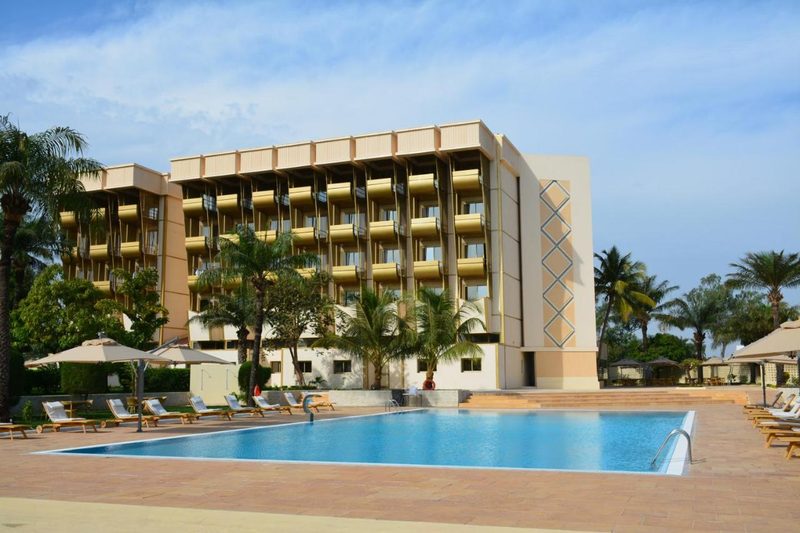
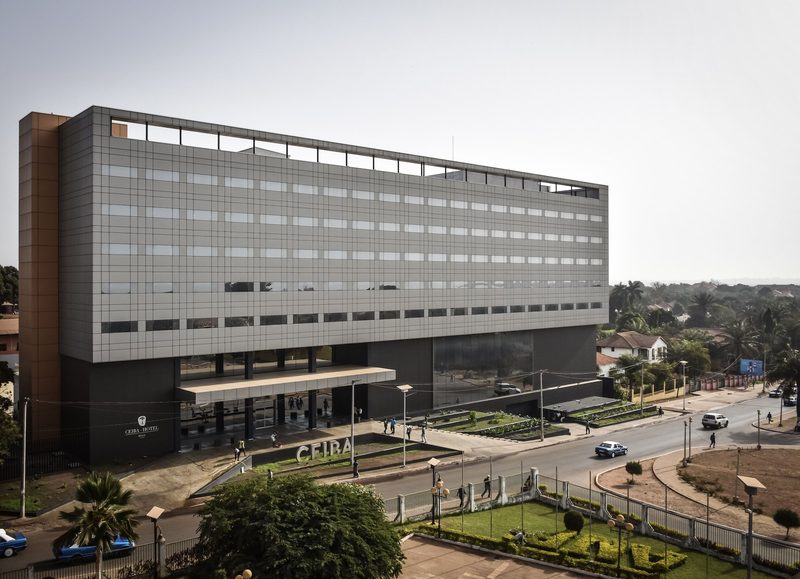
Hand-picked hotels across price tiers for January travellers.
Public Holidays in January
Dates that affect opening hours, transport and crowds
New Year's Day
Observed nationwide as a public holiday.
National Heroes' Day
Observed nationwide as a public holiday.
New Year's Day
Observed nationwide as a public holiday.
National Heroes' Day
Observed nationwide as a public holiday.
Packing Checklist
Bookmark this page — your progress is saved between visits
Need the full list with shopping links?
Climate-specific gear, brand recommendations, and what to leave at home.
View Bissau Packing List →Essential Tips
Insider knowledge and common pitfalls to avoid
Insider Knowledge
Kriol, not Portuguese, is the language of daily life in Bissau. Portuguese works for formal interactions and with educated professionals. At Bandim Market, in taxis, and in neighbourhood bars, Kriol is what you will hear. It earns you a warmer reception. Learn three phrases before you arrive: 'kuma ku bu sta' (how are you), 'n sta bon' (I'm fine), and 'obrigadu' (thank you, borrowed straight from Portuguese). The difference in how people respond to you is immediate. Use them.
The cashew fruit, not the nut, is what January in Guinea-Bissau tastes like. The season starts late in the month and builds toward its peak in February and March. Street vendors sell the ripe yellow and red fruits whole. The juice is tart, astringent, almost puckering on the first sip before a faint sweetness arrives. Cashew wine, called caju, ferments in clay pots and ranges from mildly fizzy to eye-wateringly strong depending on who made it. Try it at least once. Pace yourself.
Electricity in Bissau follows its own logic. Generators are the real power grid. Every guesthouse and restaurant runs one. The national supply cuts without warning, sometimes for hours, sometimes for a full day. Charge every device to full whenever you have power. Carry a power bank. The generator starting up at a neighbourhood bar, that coughing diesel rattle followed by a cheer, is one of the defining sounds of a Bissau evening. Listen for it.
Taxis in Bissau are shared by default. The driver will pick up additional passengers heading in your general direction. This is normal. This is expected. This is not a scam. If you want a private ride, say so at the start and expect to pay more. The vehicles themselves range from functional to barely holding together. None will have a meter. Agree on a fare before you get in. Use Kriol if you can manage it.
Avoid These Mistakes
Do not assume Bissau operates on a timetable. Flights, ferries, and intercity transport run on flexible schedules that shift based on demand, mechanical breakdowns, and reasons that will not be explained to you. Build buffer days into your itinerary before any onward connection. Treat departure times as rough estimates. Arriving at the airport exactly two hours before a listed flight time and finding it has departed early, or been pushed to tomorrow, are equally plausible outcomes. Stay flexible.
Never arrive without sufficient cash. This trips up travelers who assume they can find a working ATM or exchange bureau on arrival. Bissau's banking infrastructure is fragile. The handful of ATMs in the city centre are frequently empty or offline. Bring enough CFA francs or euros to cover your entire stay, plus a reserve. Keep it distributed across your luggage. Split it up.
Never photograph military installations, government buildings, or uniformed personnel. Guinea-Bissau has experienced multiple coups and periods of political instability. Sensitivity around photography of anything official is real and enforced. Police and soldiers will confiscate your camera or phone. The interaction that follows will be stressful. When in doubt, keep the lens down. Ask first.
Short on time? See day trips around Bissau on GetYourGuide.
Ready to plan your trip to Bissau?
Now that you've got the research covered, here's where to go next.
Explore More Activities in Bissau